
Health & Safety Policy for Commercial Waste Removal Harlesden
Policy statement: We are committed to protecting the health, safety and welfare of all employees, contractors and members of the public affected by our commercial waste services. This policy covers the safe delivery of commercial waste collection, commercial rubbish removal Harlesden operations and related activities. Our approach is preventative: reduce risks, comply with statutory obligations and promote a safe working culture across all service areas.Scope and Objectives
This policy applies to all operations associated with our commercial waste removal and rubbish collection services. Objectives include: preventing work-related injuries and ill-health; ensuring safe handling, transport and disposal of waste; maintaining safe vehicles and equipment; and ensuring that staff are trained, competent and supported. Our aim is continuous improvement through regular review, monitoring and feedback from frontline teams.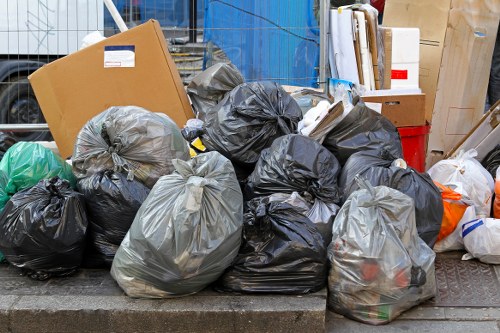
Roles and Responsibilities
The successful implementation of this health and safety policy relies on clearly defined responsibilities. Senior management provides leadership and resources; supervisors and operatives apply safe systems of work in daily operations; and contractors must comply with our standards. Employees have a duty to work safely, report hazards and use issued protective equipment. Everyone is responsible for stopping unsafe work and reporting incidents without fear of reprisal.Risk Assessment and Control Measures
Risk assessments will be carried out for typical tasks such as loading, manual handling, vehicle sweeping, container lifting and working at customer premises. Identified risks are controlled by substitution, engineering controls, administrative procedures and personal protective equipment. Controls are documented, communicated and regularly reviewed to reflect changes in process, equipment or legislation. We take a hierarchy-of-controls approach to reduce exposure to hazards associated with commercial waste collection services.
Equipment, Vehicles and PPE
Vehicles and equipment are maintained to manufacturer standards and inspected before use. Operators receive vehicle-specific familiarisation and are required to follow safe loading, securement and reversing procedures. Personal protective equipment (PPE) including gloves, hi-vis clothing, safety boots and eye protection is provided and must be used when required. Mechanical aids are used to reduce manual handling and back injury risk.Plant and machinery safety measures include regular servicing, lock-out procedures for maintenance, and clear exclusion zones during lifting and compaction. Vehicles carry spill kits and basic first aid supplies. Faulty equipment is reported immediately and removed from service until repaired.
Hazardous Waste and Segregation
Hazardous materials are identified, segregated and managed in accordance with waste classification requirements. Staff are trained to recognise items such as chemicals, asbestos suspects, sharps and electronic waste and to follow specific segregation and containment procedures. Where specialist handling is required, services will arrange licensed disposal through authorised channels rather than handling risky loads in-house.- Safe handling procedures for sharps, batteries and solvents
- Clear labelling and containment of hazardous loads
- Prompt reporting and escalation for suspect materials

Training, Supervision and Competency
Training is a core control: induction, role-specific training, refresher sessions and toolbox talks ensure staff competence. Supervisors monitor performance, coach safe behaviours and maintain training records. Competency assessments are documented and used to authorise tasks such as vehicle operation, waste compaction and chemical handling. Safety leadership from supervisors reinforces policy compliance at every worksite.
Incident Reporting, Emergency Procedures and Review
All incidents, near misses and unsafe conditions are reported promptly and investigated to identify root causes and corrective actions. Emergency procedures cover on-site accidents, vehicle incidents, spills and fire. First aid provision, emergency contact chains and recovery plans are defined for rapid response. Lessons learned are shared across teams to prevent recurrence.Monitoring, Audits and Continuous Improvement
Performance is monitored through inspections, audits, incident trend analysis and feedback from employees. Corrective actions are tracked to completion and performance metrics inform management review. Periodic policy reviews ensure alignment with legal requirements and industry best practice. Internal audits and third-party inspections support objective evaluation of health and safety outcomes.Records of risk assessments, training, maintenance, incident reports and audits are maintained to demonstrate compliance and to support ongoing improvement. This policy is communicated to all staff and made available to contractors working on behalf of the company. By maintaining clear procedures, effective training and a responsive reporting culture, we seek to deliver safe, reliable and compliant commercial waste services across our operating area.