Complaints Procedure — Commercial Waste Removal Harlesden
Scope and Purpose
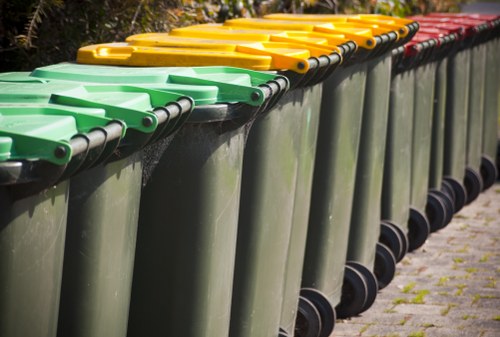 Purpose: This document sets out the formal complaints procedure for companies using commercial waste removal services in Harlesden and surrounding areas. It explains how a business can register a concern about commercial waste removal, the roles and responsibilities of the waste carrier, and the expected timeframes for acknowledgement and resolution. The aim is to ensure that every issue is handled consistently, transparently and with due regard for environmental and regulatory obligations.
Principles: Our approach is guided by fairness, proportionality and confidentiality. Complaints relating to commercial rubbish collection Harlesden are treated seriously; they will be recorded, investigated and, where required, corrective action will be taken. We commit to providing clear information on outcomes and any remedial measures adopted to prevent recurrence.
 What is a complaint? A complaint is any expression of dissatisfaction about our business waste disposal services, including missed collections, spillages, scheduling errors, non-compliance with permits, or customer service concerns. Please note routine service enquiries, contractual negotiations, or informal requests for information are handled through operational channels rather than the formal complaints route.
How to submit: Customers should submit a complaint in writing using the service’s standard reporting mechanisms. When describing the issue, please include the date, time, location of the affected premises, a clear description of the problem, and any evidence such as photos or records of previous communications. Accurate details help speed up investigation and resolution.
Investigation and response
 On receipt of a complaint about Harlesden commercial rubbish removal, the organisation will acknowledge within a specified timeframe. An initial assessment will determine the category and severity of the complaint and allocate an investigator. Typical investigation steps include site checks, review of service logs, interviews with staff, and assessment against contract and environmental obligations. The process aims to be impartial, documented and completed within defined timeframes depending on complexity.
Timeframes and record-keeping: The standard practice is to issue an acknowledgement within 3 working days and provide a substantive response within 15 to 20 working days for more routine matters. Complex incidents requiring multi-agency input or technical investigation may take longer; the complainant will be kept informed of estimated timescales. All complaints are logged and retained in accordance with data protection and record retention policies.
Outcomes and remedies: Following investigation, possible outcomes may include a formal apology, corrective action (such as re-collection or site clean-up), staff retraining, process changes, or compensation where appropriate. The decision will explain the reasons and any follow-up actions. Where a complaint highlights systemic failures in commercial waste collection, a root cause analysis will be undertaken to implement lasting improvements.
 Escalation: If the complainant is not satisfied with the response, there is an internal escalation process. An independent review within the organisation will reassess the investigation and its conclusions. If necessary, the complainant may request that the case be reviewed by a senior manager or governance committee. If contractual or regulatory matters remain unresolved, the complainant may be advised of the appropriate external oversight bodies or industry regulators to contact, in line with statutory and licensing frameworks.
 Monitoring, learning and policy updates: Complaints are a key input to service improvement. Regular analysis of complaints about commercial waste removal services informs training, operational changes, and risk management. Policies and procedures are reviewed periodically to ensure compliance with applicable environmental law and best practice. Staff receive training on complaint handling to ensure consistent application of this procedure.
Confidentiality and data protection: Complainants can expect confidentiality to the extent permitted by law; personal data will be handled in accordance with data protection principles. Information necessary for investigation may be shared internally and with partners or regulators where required by statute or contractual obligation.
Record of changes: This complaints procedure is subject to ongoing review. Any substantive changes will be documented and implemented with appropriate notice to stakeholders. The procedure is intended to support reliable, compliant and responsive commercial waste management for businesses utilising refuse and recycling services in the Harlesden locality.
Final note: The organisation is committed to resolving complaints professionally and objectively, learning from incidents, and maintaining high standards of service delivery for commercial waste removal operations. Compliance with environmental responsibilities and customer service obligations remains central to the complaints process.