Commercial Waste Removal in Harlesden
Commercial waste removal in Harlesden needs to be straightforward, organised and suited to the type of premises involved. We handle business waste collection and disposal for offices, retail units, workshops, hospitality venues and other commercial settings, with a focus on practical load handling, sensible sorting and tidy removal. The aim is to keep your waste moving out of the premises without disrupting day-to-day operations or leaving clutter behind.
Our service covers a wide range of common commercial materials, from mixed general waste to office furniture, packaging and selected bulky items. Where different waste streams need to be separated, we work around that requirement rather than forcing everything into one process. That can help when you are clearing a store room, reducing accumulated waste after a refit, or arranging an ongoing disposal plan that fits the rhythm of your business.
To get started, use the details on this page to request a quotation and outline the type and volume of waste you need removed.
Business waste collection for everyday commercial premises
Business waste collection is often most useful when it is reliable and simple to arrange. We deal with the sort of waste that builds up in operating premises: broken furniture, old fittings, office items, packaging, redundant stock and mixed non-hazardous rubbish. The work can be planned around opening hours, loading access and the practical limits of the premises, so the collection feels orderly rather than intrusive. Business waste removal is a sensible starting point when you want a clear service route for routine disposal or one-off clearances.
Different businesses produce different waste profiles, so the method matters as much as the load itself. A small office might need desk and chair removal, while a shop may need back-room clearances after new stock arrives or old display units are taken out. Warehouses and workshops often need more attention to access, stacking and segregation. In each case, we aim to keep the process practical and avoid unnecessary handling, which can make the collection more efficient and easier to manage.
For many customers, the main question is not whether the waste can be taken away, but how to prepare it sensibly. Two useful steps are to separate obvious materials where possible and make the collection area accessible for loading. If you are arranging a larger clearance, it also helps to note any items that must stay in place. That makes the quotation stage clearer and helps the work proceed in a measured way.
Office clearance, furniture and internal fit-out waste
Office clearance typically involves more than simply taking away desks and chairs. There may be filing cabinets, shelving, reception furniture, computer peripherals, partition materials and accumulated box waste to handle as part of the same task. Our office clearance service is suited to workplaces that need redundant items removed in an organised sequence, especially where staff still need access to the building or part of the floorplate while the work is under way.
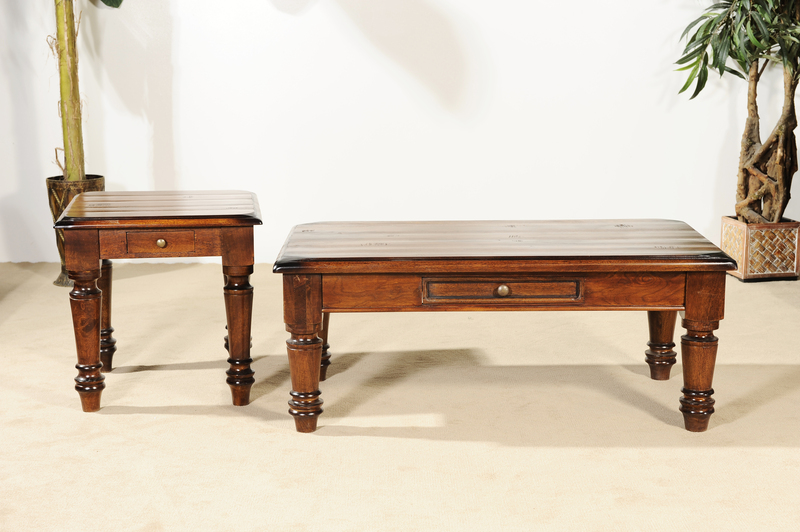
Furniture disposal can also be a central part of a commercial waste plan. Some pieces are easy to move, while others need careful handling because of size, weight or awkward shape. We manage a variety of furniture types that commonly come out of offices, clinics, studios, hospitality areas and sales spaces. If the waste includes a mix of intact furniture and dismantled parts, the approach can be adjusted so that loading remains safe and tidy.
Practical preparation makes a noticeable difference with office and furniture work. A simple inventory, clear access route and any relevant site instructions can help reduce delays on the day. If the premises have lifts, narrow corridors or restricted parking, it is worth mentioning that early. You do not need to over-explain every item; just give enough detail for an accurate estimate and a collection plan that fits the building.
Bulky item disposal and specialist item categories

Bulky item disposal is often required when commercial premises replace outdated fittings or remove large pieces that are awkward to move through normal waste channels. We can deal with items such as sofas, mattresses, fridge units, appliances and other heavy or oversized objects where a standard bin arrangement is unsuitable. For these jobs, the key consideration is safe handling, appropriate sorting and a clear understanding of what must be removed.
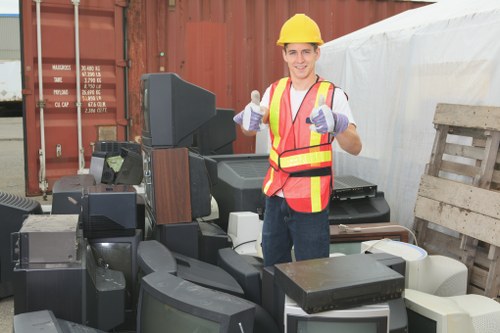
Some item categories need a more specific route than mixed general waste. For example, fridge and appliance removal may involve different handling from soft furnishings, while certain materials need to be separated before transfer. When that happens, it is better to plan the job around the actual items rather than treating them as one broad category. That helps keep the waste stream orderly and supports a more accurate quotation. If your premises hold mixed bulky waste, we can usually assess it as one clear project rather than several disconnected tasks.
If you are arranging a larger item removal, the most useful details are the approximate count, the access conditions and any restrictions on lifting or carrying. It is also sensible to flag items that are damaged, damp or difficult to move, because that can affect handling and loading. Once those basics are known, the collection can be organised around the real work involved instead of assumptions.
Waste from garages, lofts, homes and mixed-use sites
Although the focus here is commercial waste removal, many properties include shared or mixed-use spaces that generate similar types of material. Garage clearance, loft clearance, home clearance and house clearance can all involve old furniture, stored boxes, broken equipment and general clutter that has built up over time. Where a business uses domestic-style storage areas, studios or converted rooms, those spaces often need the same careful approach to sorting and loading as a workplace clearance.
Garage clearance is often about recovering usable floor space from stored waste, tools, packaging and damaged household or trade items. Loft clearance tends to call for a steady pace and proper handling because access is often restricted and items may be light but awkward. In home clearance and house clearance work, the volume can be larger and the composition more varied, so the process needs to stay organised from the first load to the last.
Where premises combine living and working functions, it can help to think in terms of item types rather than room labels. That makes it easier to separate what should stay from what should go and prevents useful material being bundled in with the waste. If you are unsure how to describe the load, a short written list is often enough to get the conversation moving in the right direction.
About Harlesden

Harlesden is a district in the London Borough of Brent, in north-west London, and it is closely associated with the older settlement that developed around Harlesden High Street and the road links leading toward central London and the wider suburbs. The area lies near the boundary with neighbouring parts of inner and outer north-west London, which has shaped its character as a busy, mixed residential place with active local commerce. Over time, the district has become known for a strong sense of everyday street life, with local shops, markets, places of worship and community facilities that reflect the diversity of the population. Its transport connections are an important part of its identity, including Harlesden station on the London Overground network and nearby routes that link the area to Willesden, Kensal Green and other parts of Brent. The surrounding urban grain mixes Victorian and later housing, small industrial premises and commercial parades, giving the district a varied built environment rather than a single uniform centre. Local landmarks include Roundwood Park, one of the larger open spaces in the district, and the continuing presence of busy high streets and side roads that support daily activity. Harlesden has also been shaped by migration and cultural exchange over many decades, and that history is visible in the local food, worship and retail landscape. The result is a place that feels practical and lived-in, with a strong local rhythm, a dense street pattern and a built form that still reveals earlier phases of London growth.
Use the details on this page to request a quotation for your commercial waste removal needs.
Garden clearance and exterior commercial waste
Exterior waste can build up just as quickly as internal waste, particularly where businesses keep yards, entrances, rear access lanes or shared outdoor areas. Garden clearance covers cuttings, branches, soil-contaminated waste, old planters and general outdoor debris that needs to be removed in a tidy way. For premises with courtyards or exterior storage spaces, this kind of clearance often works best when the waste is grouped sensibly before removal so that lighter and heavier items can be handled in a practical sequence.
Garden clearance can be useful for commercial sites that maintain outdoor display areas or staff spaces, but it can also support premises where the external area has simply become difficult to manage. The work may involve bagged green waste, damaged outdoor furniture, broken pots or general rubbish mixed in with vegetation. If your site includes more than one outdoor area, it helps to describe where the waste is located so the collection can be planned around access and lifting.
Exterior waste often benefits from a quick visual check before the job is scheduled. If there are hidden obstructions, narrow gates or uneven surfaces, those details can affect the approach. A few accurate notes at the start are usually enough. They help keep the waste removal straightforward and reduce the chance of avoidable delays when the team arrives.
Builders’ waste and renovation debris

Builders’ waste clearance is relevant when a commercial premises is being altered, refurbished or fitted out. Strip-out material, broken fixtures, packaging, offcuts and mixed renovation debris all need a clear route out of the site. Our builders waste clearance service is suited to that kind of work, especially where the material is bulky, dusty or awkward to keep contained while the project is ongoing. Keeping the waste moving can help the rest of the job progress more cleanly.
Renovation waste can vary widely, even within one building. A shop refit may produce plasterboard offcuts, timber lengths, old shelving and packaging, while a back-office alteration may create smaller quantities of mixed debris with different handling needs. It is usually best to describe the material honestly rather than trying to fit it into a generic label. That allows the quotation to reflect the actual load, the access arrangements and the likely handling involved. If there are items that must be separated from the main waste, mention those specifically.
Two things make this sort of clearance easier: clear information about the waste and a sensible plan for where it is gathered before removal. If you are coordinating with contractors, it helps to decide whether the waste will be left in one collection point or spread across several floors. A quick arrangement at the start can keep the site tidier throughout the works and make the final clearance easier to complete.
Recycling, sorting and responsible disposal choices
Commercial waste is rarely best treated as one single category from start to finish. Different materials often need different routes through sorting, transfer and disposal, especially where recyclable items can be separated from mixed waste. Our recycling and sustainability page sets out the general approach behind our waste handling. In practice, the aim is to manage the load in a way that is orderly, proportionate and suited to the material presented for collection.
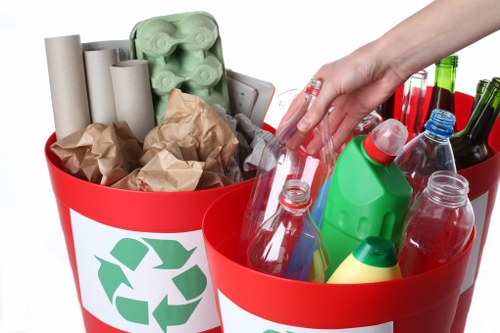
Mixed business waste can include paper, cardboard, metals, wood, plastics and non-recyclable residues. When those materials are grouped properly, it is easier to manage them efficiently and avoid needless contamination. That does not mean every load needs extensive pre-sorting by the customer. It does mean that the waste should be described accurately, and where obvious separations are possible, it is sensible to keep them distinct. This is especially useful on commercial clearances where items may have been accumulated over months rather than days.
Responsible disposal choices are not just about the final destination of the waste; they also affect how the collection is organised. If your business handles mixed materials, regular packaging waste or recurring bulky items, a planned approach can keep everything clearer. For one-off clearances, a straightforward list of the major item groups is often enough to support a practical collection estimate and an efficient removal plan.
Pricing factors, quotations and what to include
Pricing and quotes are usually influenced by the volume of waste, the type of material, the ease of access and any need for additional handling. A small collection from a ground-floor office is different from a larger clearance involving stairs, multiple rooms or awkward loading conditions. If certain items are especially heavy or need separating before removal, that can also affect the work involved. The most reliable quotation starts with a clear description of the waste rather than a broad estimate based on guesswork.
When you ask for a quotation, it helps to include the main item types, an approximate quantity and any access details that could affect loading. You do not need to prepare a long report. A short note with the basics is often enough to assess the job sensibly. Where a premises is operating during the clearance, it is also useful to say whether the work should avoid peak customer times or staff movements.
If the waste includes several categories, a simple list can make the difference between an average estimate and a well-matched one. You may find it helpful to note items such as office furniture, packaging, appliances, fittings, mixed rubbish or renovation debris. Request a quotation when you are ready, and we can use those details to shape a clear and practical waste removal plan.
Additional services and practical support
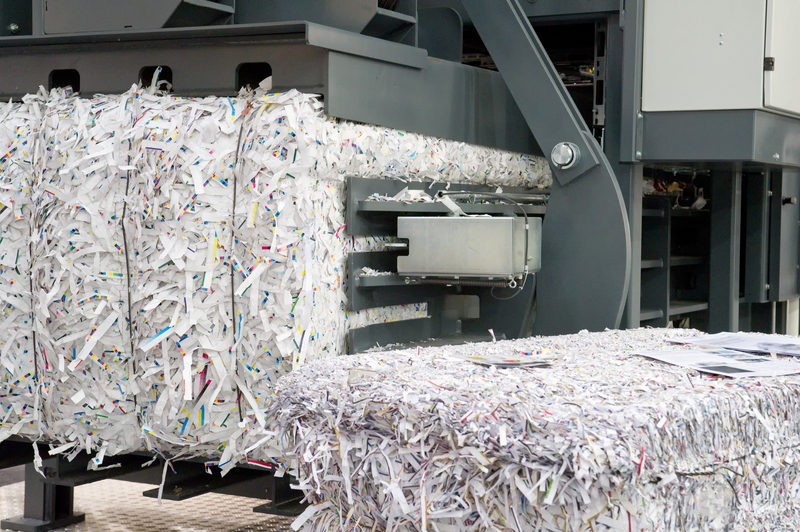
Some customers need a more specialised service alongside general commercial waste removal. Confidential shredding may be useful where paper records need secure handling, while hazardous waste disposal is relevant only where the material involved falls into a category that requires separate treatment. We also provide linked disposal services for particular bulky items, including furniture disposal and fridge and appliance removal, so a single clearance can be organised around the actual materials present rather than split into several separate arrangements.
Confidential shredding suits businesses that want sensitive documents removed from circulation in a controlled way, while hazardous waste disposal applies to materials that cannot simply be treated as ordinary commercial rubbish. Where the waste load is mixed, it helps to identify those special categories at the start. That prevents them being overlooked and keeps the rest of the waste on the correct path. For specific furniture and appliance categories, furniture disposal and fridge and appliance removal provide useful options when one type of item dominates the job.
For customers managing recurring waste, the main decision is usually whether a one-off clearance or a more regular arrangement is the better fit. Businesses with steady waste output may prefer a predictable approach, while project-based work often calls for a single focused clearance. Either way, a concise description of the load and its location gives the strongest starting point for planning.