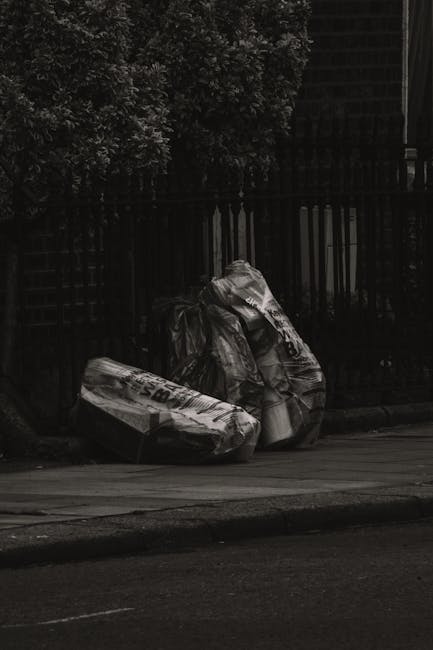
Rubbish removal for Harlesden shops and small businesses

If you run a shop, cafe, salon, takeaway, studio, or small office in Harlesden, rubbish has a habit of appearing faster than you can clear it. A few delivery boxes by the counter, broken display units in the back room, old stock in the stockroom, one fridge that's seen better days, and suddenly the place feels cramped, untidy, and harder to work in.
Rubbish removal for Harlesden shops and small businesses is about more than tidying up. It's about keeping your premises safe, presentable, and workable, while making sure waste is dealt with properly and without eating into your day. In practice, that usually means a fast collection, sensible sorting, careful handling, and a disposal route that fits the type of waste you have.
In this guide, you'll find a clear explanation of how it works, what it's useful for, when it makes sense, and how to avoid the common mistakes that cost time and money. Nothing fluffy. Just a straightforward, useful breakdown for real businesses doing real work.
Why Rubbish removal for Harlesden shops and small businesses Matters
For smaller premises, waste builds up in visible, awkward ways. A shop floor can look cluttered after just one delivery. A cafe can end up with overflowing packaging, broken furniture, and food-related waste in the wrong places. A salon or clinic may have old equipment, cartons, and confidential material waiting for attention. It's rarely one huge problem; it's a dozen little ones that stack up.
That matters because waste affects more than appearances. It affects movement around the premises, fire safety, customer experience, staff morale, storage space, and even how quickly you can get through a normal shift. Let's face it, nobody works brilliantly while stepping around flattened boxes for the third time that morning.
In Harlesden, where many small businesses operate from compact units, shared commercial spaces, or busy high-street locations, a tidy back-of-house area can make a genuine difference. If the rear storage room is full, you cannot receive stock efficiently. If waste bags are sitting around too long, smells creep in. If old furniture or fixtures are blocking access, everyone slows down.
Good rubbish removal is operational support. It keeps the business moving and helps prevent small problems becoming expensive ones.
You may also need a more structured approach if your business regularly produces mixed commercial waste. In that case, a broader business waste removal service can be a better fit than trying to deal with ad hoc clear-outs on your own.
How Rubbish removal for Harlesden shops and small businesses Works
The process is usually simpler than people expect. Most commercial rubbish removal jobs follow a fairly clear pattern: you describe the waste, the collection is arranged, the team arrives, loads the rubbish, and the material is taken away for appropriate disposal, reuse, or recycling where suitable.
For a small shop or business, that might mean a single collection after a refurb, or regular ad hoc clearances whenever stock, packaging, fixtures, or old equipment start to pile up. Timing is often arranged around trading hours so there's less disruption. Early mornings, quieter afternoons, or after closing can all work well, depending on the premises.
On the day, the team usually assesses what needs to go, checks access, and loads items safely. Good operators will be careful with doorways, stairs, shared corridors, and tight rear access points. In older Harlesden properties, that can matter more than people expect. Narrow access and awkward parking can turn a simple job into a fiddly one very quickly.
It's also worth separating standard waste from specialist waste. A few boxes of packaging is one thing. A broken fridge, confidential paper, or potentially hazardous material is another. Services like fridge and appliance removal, confidential shredding, and hazardous waste disposal exist because not everything can be treated as ordinary rubbish.
Most business owners want two things: minimal hassle and confidence that the waste is handled properly. Reasonable ask, really.
Key Benefits and Practical Advantages
The biggest benefit is time. If you or your staff are carrying rubbish out in batches, sorting what can be removed, and trying to find somewhere legal and suitable to dump it, that's time lost from actual business work. A proper collection removes the headache in one go.
There's also the space factor. Small businesses often underestimate how much usable room is being eaten up by old packaging, damaged stock, worn-out seating, obsolete displays, or leftover materials after a refit. Clear the rubbish, and the room often feels bigger straight away. You can hear it too sometimes-the difference between a cramped, echoey store room and one that feels workable. Small thing, but you notice it.
Other practical advantages include:
- better presentation for customers and suppliers
- reduced trip and fire risks
- easier stock movement and restocking
- less pressure on staff
- more predictable waste handling costs
- less chance of waste being mixed incorrectly
There's a compliance angle too. Commercial waste should be handled properly, and businesses are generally expected to take care with what they produce and who removes it. If you're disposing of furniture or old fittings, a service like furniture disposal or furniture clearance can help remove bulky items cleanly rather than leaving them to clog up the premises.
And then there's the mental relief. Truth be told, a lot of owners feel a noticeable lift once the rubbish is gone. The back room stops nagging at you. The job is done. That matters more than it sounds.
Who This Is For and When It Makes Sense
This kind of service is especially useful for independent retailers, convenience shops, cafes, barbers, salons, takeaway outlets, small offices, repair shops, and any business that generates waste faster than its team can reasonably manage it in-house.
It also makes sense when you're facing one of those awkward moments that never quite fit into a routine collection:
- after a refit or seasonal changeover
- when old shelving, counters, or furniture are being replaced
- after stock damage or a storage clear-out
- before a landlord inspection or lease handback
- after moving to a new unit nearby
- when waste is starting to interfere with customers or staff
A small office over a shop, for example, might only need occasional clearances but still produce old paperwork, broken chairs, and appliance waste. In that situation, a mix of office clearance and general waste removal may be more sensible than trying to bundle everything into one rough-and-ready solution.
If your business has a lot of renovation debris, a dedicated clearance for building-related waste may help too. You can look at builders waste clearance when the rubbish is more about broken materials, packaging, plasterboard, or old fittings than normal day-to-day waste.
If the pile is growing faster than your patience, it's probably the right time.
Step-by-Step Guidance
A sensible rubbish removal process starts before the collection truck arrives. A little preparation keeps costs down, speeds things up, and avoids the awkward "oh, we forgot about that bit" moment.
- Identify what needs removing. Separate general waste, bulky items, cardboard, electricals, and anything that could be hazardous or confidential.
- Check access. Think about parking, loading doors, stairs, narrow corridors, and whether any shared areas need to stay clear.
- Group items by type. This is especially useful if you have mixed waste. Sorting in advance can save time and reduce confusion on the day.
- Protect anything that stays. Move stock, cover surfaces, and make sure the path to the waste is safe and clear.
- Ask for a clear plan. Confirm what's included, what isn't, and whether there are any special handling requirements.
- Keep any documentation. If the job involves business waste, record details for your own files.
- Walk the space afterwards. Check that nothing has been left behind and the area is usable again.
A quick example: a small Harlesden cafe closing for one day to replace seating might have broken tables, worn chairs, packaging from new furniture, and a stubborn old fridge in the back. Rather than tackling each item separately, a planned collection can remove everything in one visit and let the business reopen with less fuss.
If you are comparing collections and want a broader picture of what a provider handles, the main waste removal service page is a useful place to understand the overall approach.
Expert Tips for Better Results
The best rubbish removal jobs are usually the boring ones. Calm, prepared, and slightly over-organised. Not glamorous, but effective.
Here are a few practical habits that make a real difference:
- Clear out in stages if needed. A phased approach works better for businesses that cannot empty storage in one go.
- Keep an eye on mixed waste. Cardboard, packaging, appliances, and broken fixtures often get mixed together by accident. That's where problems start.
- Use quieter trading periods. It's usually easier to move bulky items before opening or just after closing.
- Take photos before collection. Helpful for internal records, especially after a refit or clearance.
- Be honest about access. If there are stairs, limited parking, or a tight service yard, say so early. It helps planning a lot.
- Separate anything sensitive. Paper records, hard drives, and customer information should not be left in general waste by accident.
Another useful tip: if you have items that could be reused, don't toss them into the main pile too quickly. Some businesses find that a few display units, shelves, or office items can be redeployed elsewhere. It's not always worth it, but sometimes it is. Saves a bit of money, which no one complains about.
For businesses with a recycling focus, it helps to read about the provider's recycling and sustainability approach so you know whether recoverable materials are being treated responsibly.
Common Mistakes to Avoid
Most waste-related headaches come from a handful of simple mistakes. The good news is they're easy to avoid once you know what to watch for.
- Leaving sorting until the last minute. That usually means confusion, delays, and more items being classed as mixed waste than necessary.
- Assuming all rubbish is the same. It isn't. Electrical items, confidential material, and certain business waste need separate treatment.
- Underestimating how much is there. The "small pile" near the back door has a funny way of becoming three piles by Friday.
- Ignoring access problems. Tight entries, loading restrictions, and shared corridors can all slow a collection down.
- Forgetting about specialist items. Fridges, sofas, and potentially hazardous waste should be handled carefully and not treated as standard rubbish.
- Not checking business terms. If you are booking a service, make sure you understand the scope and any limitations. The terms and conditions are there for a reason.
A surprisingly common issue is simply not telling the collector everything that's involved. "Just a few items" can mean very different things to different people. A half-empty store room to one person may be a serious clearance job to another. Better to be a little too detailed than not enough.
Tools, Resources and Recommendations
You do not need a stack of specialist equipment to manage waste well, but a few simple tools make life easier:
- Labelled sacks or boxes for separating cardboard, general waste, and sensitive items
- A basic checklist so staff know what to keep, what to store, and what to remove
- Phone photos for quick quoting and internal record-keeping
- A tape measure if bulky items may need checking for access or removal space
- Protective gloves and sturdy footwear for any staff moving items before collection
For businesses dealing with furniture-heavy clearances, it can also help to understand related services such as furniture clearance and mattress and sofa disposal. Those pages are handy when the rubbish is less "bagged waste" and more "awkward bulky stuff that will not fit in the corner no matter how you turn it".
If your business has appliances to remove, especially older refrigerated units, the appliance-specific route is usually the safer choice. That is where fridge and appliance removal becomes relevant rather than general waste handling.
And if you're unsure whether skip hire or collection is the cleaner fit for a project, a page like what can go in a skip can help you compare what can be loaded where. Not every business needs a skip, of course, but sometimes it's useful to know the boundary.
Law, Compliance, Standards, or Best Practice
Businesses in the UK have to be careful about how commercial waste is stored, handled, and passed on. The exact obligations can vary depending on the waste type and the nature of your business, so it's wise to keep things practical and cautious rather than guessy.
A few broad best-practice principles are worth following:
- keep waste secure and do not let it obstruct exits or escape routes
- separate items that need specialist handling
- use a provider that understands commercial waste and safe lifting
- keep records of what was removed and when, especially for business waste
- treat confidential documents and electronics separately where needed
If your business has health and safety responsibilities, it also makes sense to check that the removal process fits your own internal procedures. A clear health and safety policy and proper insurance arrangements matter more than people sometimes realise. When items are heavy, awkward, or stored in cramped spaces, safety is not a side issue. It is the job.
For that same reason, responsible operators tend to have clear information on insurance and safety. That gives business owners a better sense of how the work is managed and what precautions are in place.
If privacy-sensitive material is involved, especially for offices, clinics, or retailers holding records, use a proper confidential disposal route rather than mixing everything together. It's one of those boring decisions that prevents annoying problems later.
Options, Methods, or Comparison Table
There are usually three practical ways Harlesden shops and small businesses deal with rubbish: handle it in-house, use skip hire, or book a professional clearance. Each has its place.
| Method | Best for | Pros | Limitations |
|---|---|---|---|
| In-house handling | Very small, low-volume waste | Simple, immediate, low upfront cost | Uses staff time; not ideal for bulky or mixed waste |
| Skip hire | Renovations, ongoing bulky waste, longer projects | Good capacity; useful for staged loading | Takes up space; may not suit tight high-street access |
| Professional rubbish removal | Fast clearances, mixed items, awkward access, one-off jobs | Convenient; often quickest; less disruption | Needs clear brief so the job is quoted accurately |
For many small businesses, the professional removal route is the sweet spot. You get the clutter gone without dedicating half the day to lifting, sorting, and working out where things can legally go. If your site is tight, busy, or shared, that convenience can be worth a lot.
Case Study or Real-World Example
Picture a small independent shop in Harlesden that has just refreshed its front-of-house display. The owner needs old shelving removed, broken hangers cleared out, several boxes of packaging taken away, and a damaged display fridge dealt with separately. The back room is small. There's a delivery later in the week. And the shop still has to trade.
Instead of trying to deal with it piecemeal, the owner groups the items into categories, moves stock away from the collection route, and books a clearance for the quietest part of the day. The team arrives, loads the bulky items carefully, and handles the appliance through the correct route rather than sending it off as generic rubbish. The shop reopens with clear aisles and a usable stock room.
Nothing dramatic happened. No grand transformation. Just less clutter, less stress, and a cleaner working day. Which, to be fair, is usually exactly what a small business needs.
That same approach works for a salon clearing old chairs, a cafe replacing worn tables, or an office removing cupboards and filing cabinets. Different waste, same outcome: more room to breathe.
Practical Checklist
Use this quick checklist before booking rubbish removal for your Harlesden shop or small business:
- Have I listed everything that needs removing?
- Are there any bulky items, appliances, or confidential materials?
- Have I checked the access route, parking, and any loading restrictions?
- Do I need the collection outside trading hours?
- Have I separated general waste from specialist items?
- Do staff know what must stay on site?
- Do I need photos or notes for internal records?
- Have I checked the provider's safety and insurance information?
- Do I understand any terms that may affect the booking?
- Will the waste be handled in a way that suits the business's compliance needs?
Expert summary: The best rubbish removal is the one that feels almost invisible to the business. It arrives at the right time, handles the right items, keeps the space safe, and leaves your team free to get back on with the day.
Conclusion
Rubbish removal for Harlesden shops and small businesses is really about making work easier. It clears space, reduces hazards, supports staff, and helps your premises stay presentable without wasting valuable time. Whether you're dealing with packaging, old stock, furniture, appliances, or a full mini-clearout after a refurb, the right approach keeps things moving.
The key is to match the method to the job. Small piles can be managed simply. Bulky or mixed waste needs more thought. Sensitive material needs proper handling. And if access is tight, the plan matters even more than the rubbish itself. That's just reality.
For business owners who want a cleaner, calmer, more workable premises, the next step is straightforward: review what needs removing, separate the specialist items, and arrange a service that fits your trading hours and space. A little preparation now saves a lot of hassle later.
Get a free quote today and see how much you can save.
And once the last bag is gone and the floor is clear, you will feel it straight away. The place breathes again.
Frequently Asked Questions
What counts as rubbish removal for a shop or small business?
It usually includes unwanted stock, packaging, broken fixtures, old furniture, appliances, office waste, and other non-hazardous items that need collecting and disposing of properly.
Is rubbish removal better than using a skip for a small business?
It depends on the job. If you need a fast clear-out, have limited access, or want items taken away without storing them on-site, rubbish removal is often more convenient. A skip can suit longer projects with steady waste.
Can you remove bulky items like counters, chairs, and shelving?
Yes, bulky items are a common reason businesses book a clearance. You just need to mention them in advance so the team can plan for lifting, access, and loading.
What should I do with old fridges or appliances?
Appliances should be handled separately from general rubbish. Fridges, freezers, and similar items often need specialist removal, especially if they contain components that require careful treatment.
How do I prepare my premises for collection?
Clear the route, group waste by type, protect items that stay, and make access as simple as possible. If you have tight hallways or shared entrances, tell the provider early.
Do I need to sort the waste before collection?
Some sorting helps a lot, especially if you have mixed waste, cardboard, confidential paper, or specialist items. It can make the collection quicker and more accurate.
What if my business waste includes confidential paperwork?
Keep it separate and use a proper confidential disposal route. Paper with customer, staff, or financial details should not be mixed into general rubbish.
How often should a small business arrange rubbish removal?
That depends on volume. Some businesses need a one-off clearance after a refit, while others benefit from occasional collections whenever stock or waste starts to build up.
Will rubbish removal disrupt trading?
It does not have to. Many collections can be arranged for quieter periods, early morning, or after closing. Good planning keeps disruption low.
Is rubbish removal suitable for business clear-outs before a move?
Yes, it is often ideal before a move, refurbishment, lease end, or handover. It helps you remove the clutter efficiently and leave the space in better shape.
What if I am not sure what can be taken?
List the items you have, then ask for guidance on anything unusual. It is much better to check before collection than to find out midway through that something needs separate handling.
How can I keep waste costs under control?
Sort items in advance, separate specialist waste, be accurate about volume, and avoid last-minute panic collections. A bit of prep usually reduces wasted time and surprise complexity.